Auction 1 - Rare Hebrew Books, Manuscripts & Rabbinic Letters
Lot 16:
Description
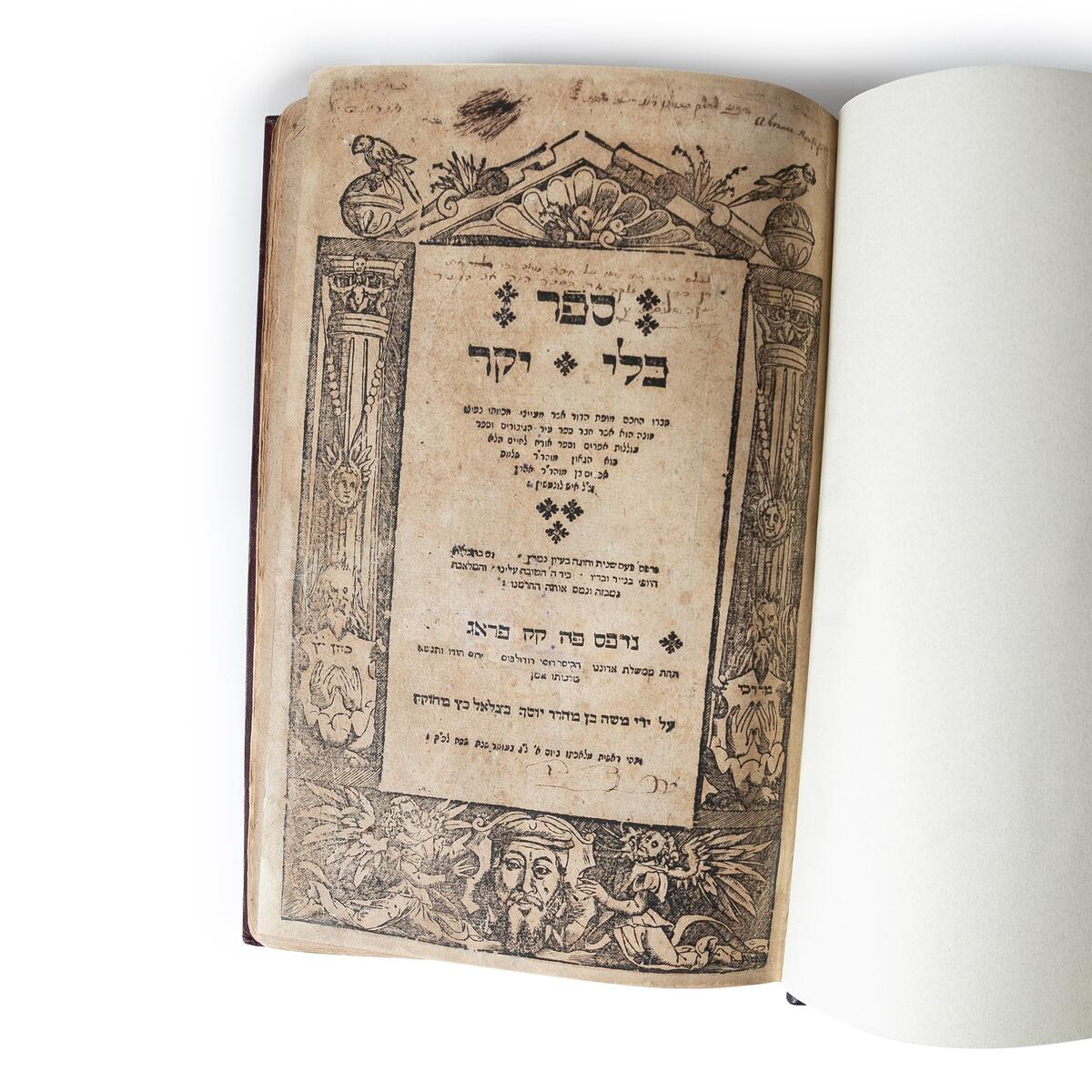
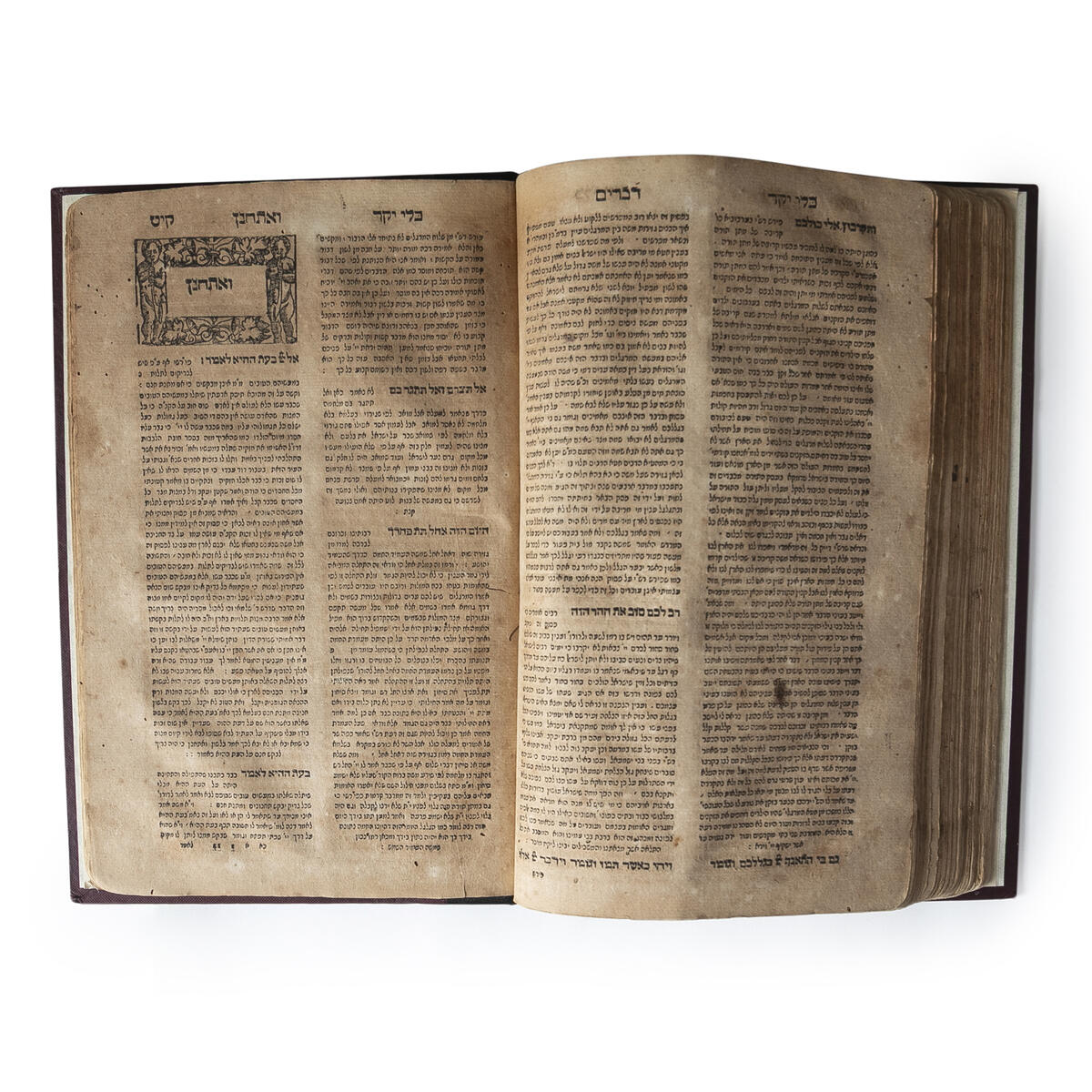
R. Solomon Ephraim Luntschitz’s (1550-1619) Keli Yakar was first published in Lublin in 1602 and quickly established itself as the work for which he would become best known. The present Prague 1608 edition appeared only six years later, while Luntschitz was serving as chief rabbi of Prague, an office to which he had been appointed in 1604. Keli Yakar has been regarded as the first and most complete expression of his mature intellectual outlook, encompassing creation, revelation, ethics, providence, and the relationship between God and man.
The commentary preserves much of Luntschitz’s earlier career as a celebrated preacher. Although structured as a close, text-based commentary, its longer discussions characteristically begin with difficulties or apparent contradictions in Scripture, Rashi, and earlier commentators, before advancing Luntschitz’s own resolution. As has been observed, one can still hear “the voice of the preacher” behind the printed page, even though the original sermonic material was reshaped for the written commentary.
Luntschitz himself provides a remarkable account of the book’s genesis. Shortly before Purim 1601 he became dangerously ill for several weeks, at which time the additional name Shlomo was given to him. Upon recovering, he vowed to compose Keli Yakar for the honor of God and the Torah. He records that the leaders of the Three Lands subsequently provided financial support toward its publication.
The title Keli Yakar was itself carefully chosen. Luntschitz explains that it alludes simultaneously to his two names: ha-ben yakir li Ephraim, “Is Ephraim not a precious son to Me?” (Jer. 31:20), and u-kheli yekar siftei da’at, “wise speech is a precious ornament” (Pro. 20:15), the latter verse attributed to Solomon. He even incorporated the title into the commentary’s authorial vocabulary. Where he considered one of his own interpretations superior to the alternatives, he would sometimes designate it a peirush yakar, a “precious interpretation.”
His introduction also reveals a pronounced concern with originality. Luntschitz explains that he deliberately abbreviated the opinions of other commentators so as not to enlarge his book with material that was not mi-peri amali, the fruit of his own labor. When an interpretation appeared widely among earlier commentators he might simply introduce it as yesh omrim, while identifying an author by name when he found the view in only one or two sources. Keli Yakar was thus conceived not as an anthology of earlier exegesis, but as a vehicle for the author’s own interpretations and homiletical insights.
The Prague edition occupies an especially appealing place in Luntschitz’s biography. The work itself had been composed during his Polish years, when he was associated with Lvov and active as a preacher. By the time this second edition appeared in Prague in 1608, its author had himself moved there and occupied the city’s chief rabbinical office. A work formed in the world of the Polish preacher was thus reissued in the city where Luntschitz had become one of the leading rabbinic figures of his generation.
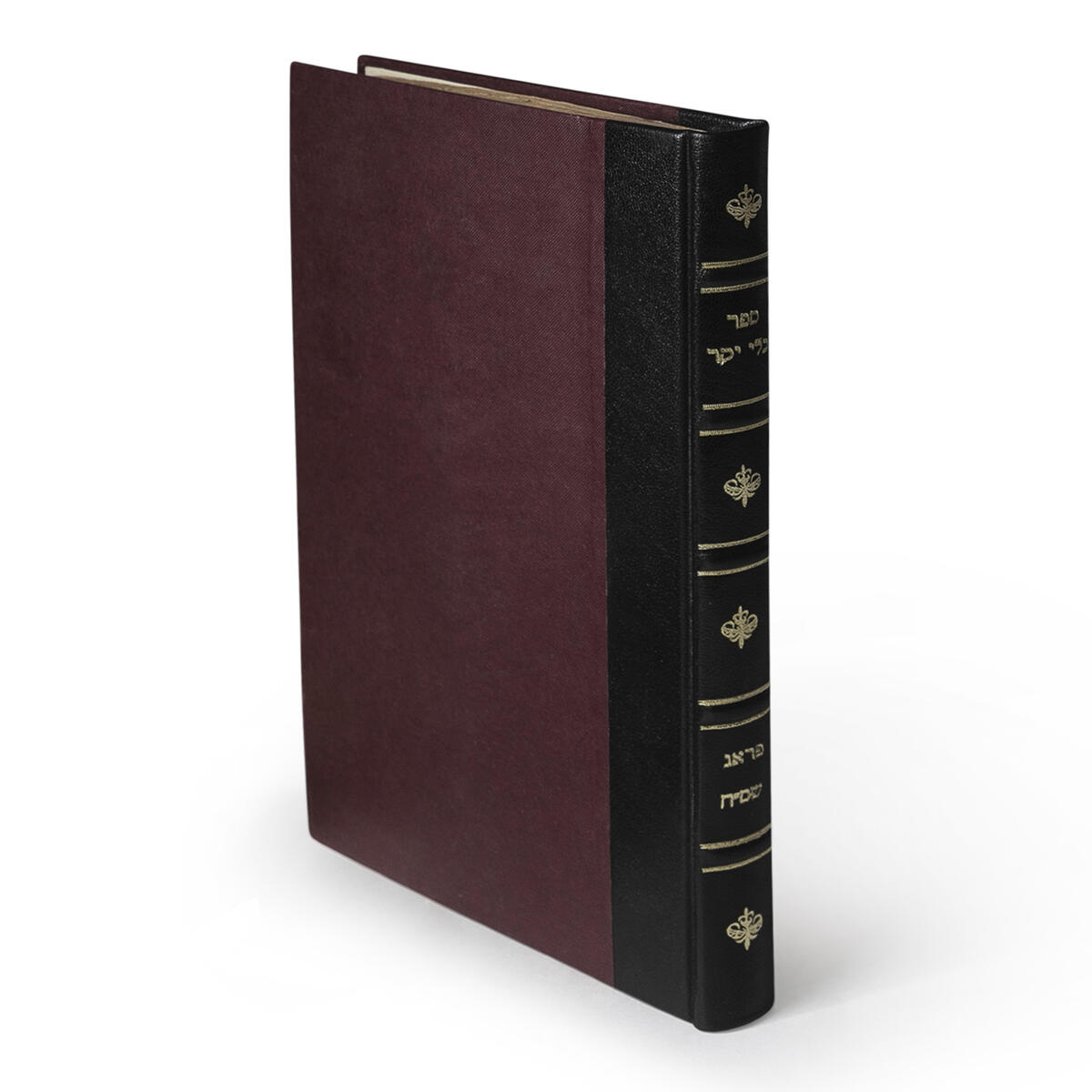
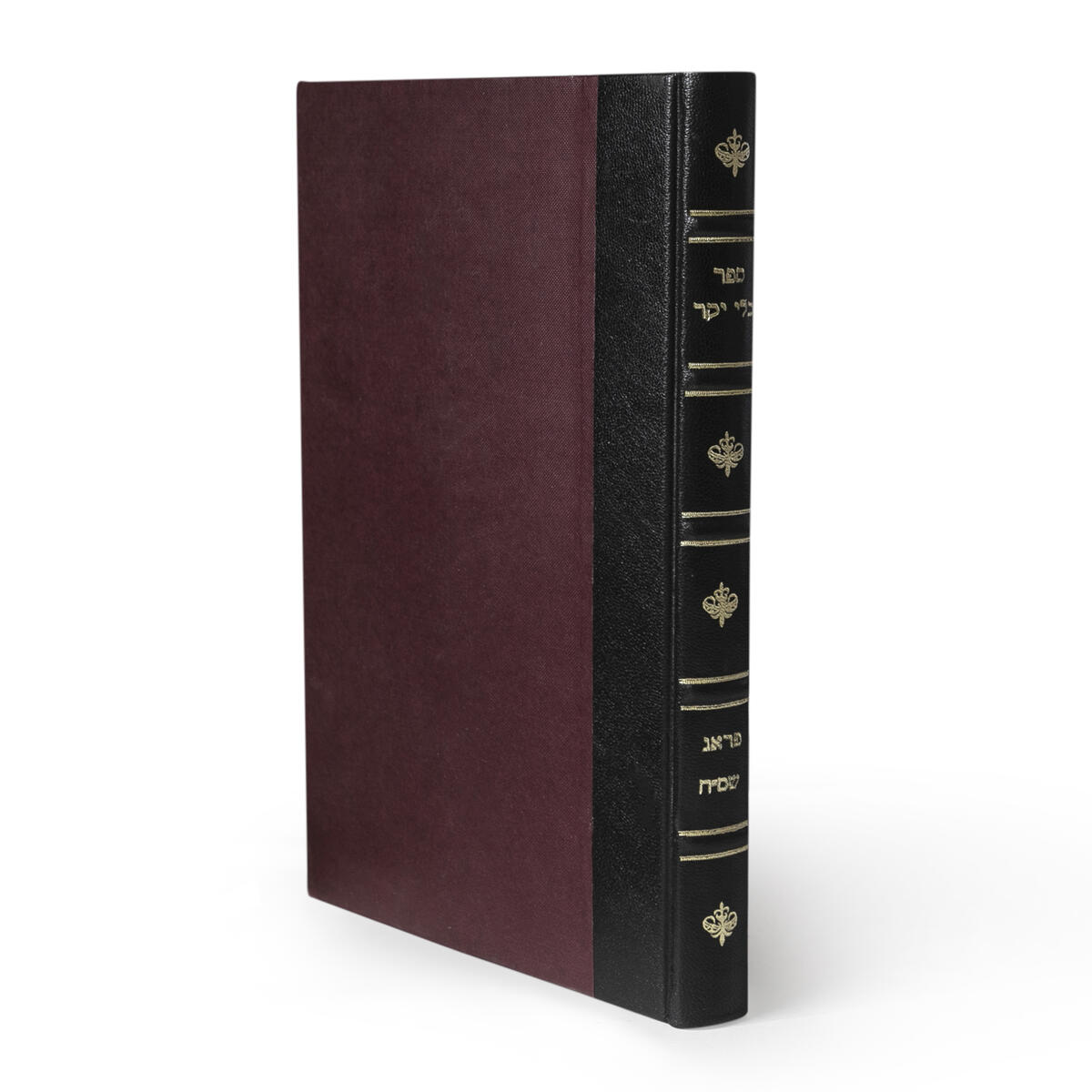
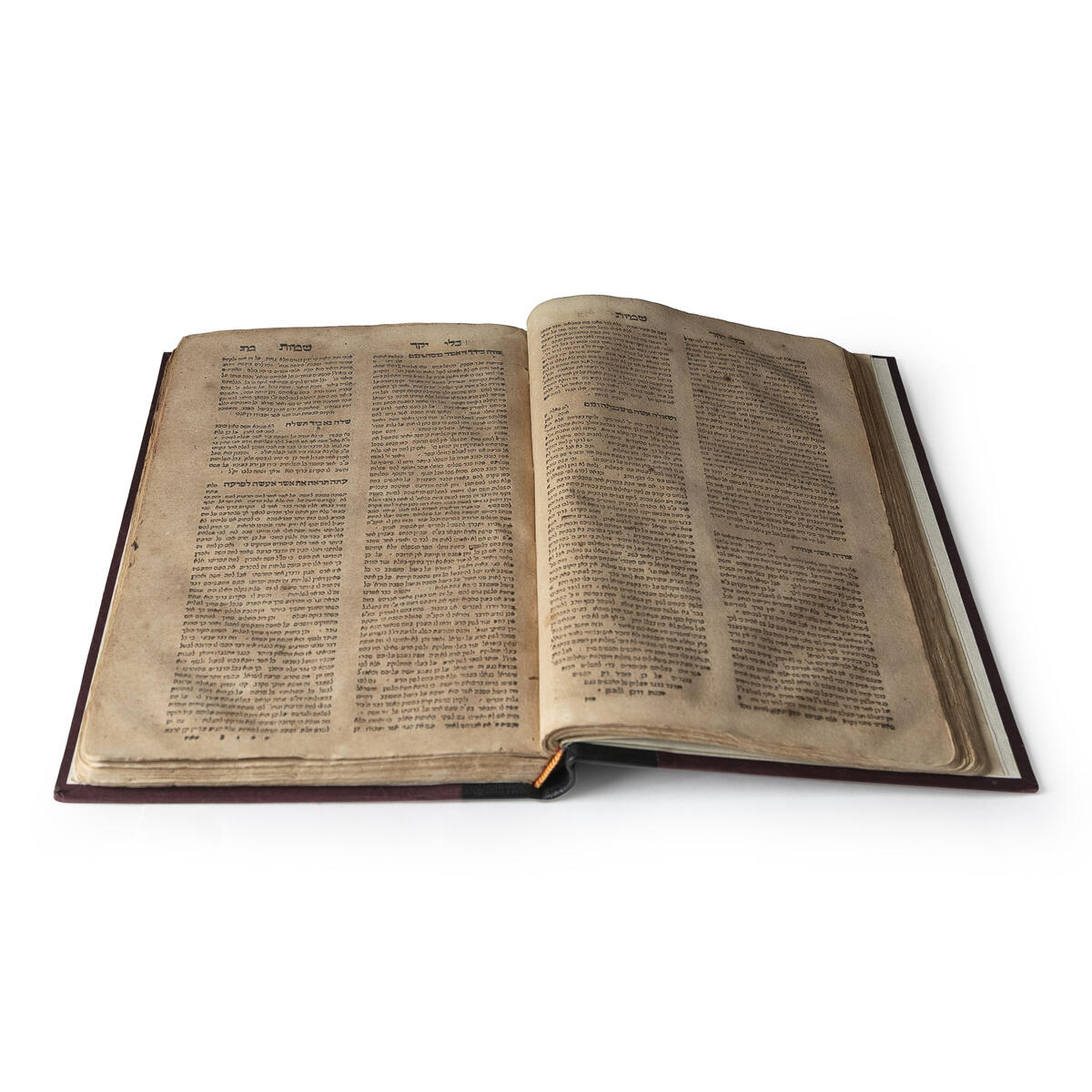
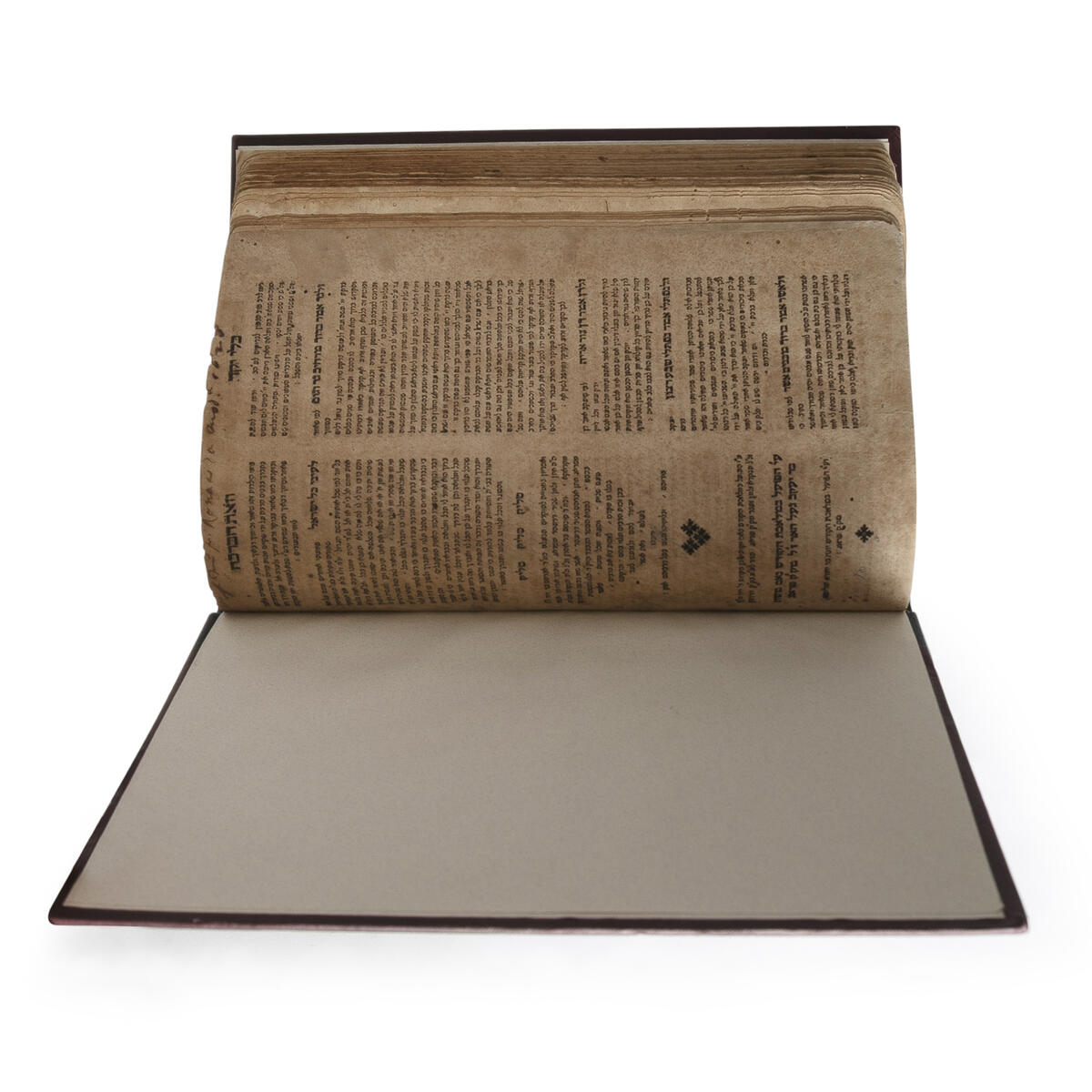
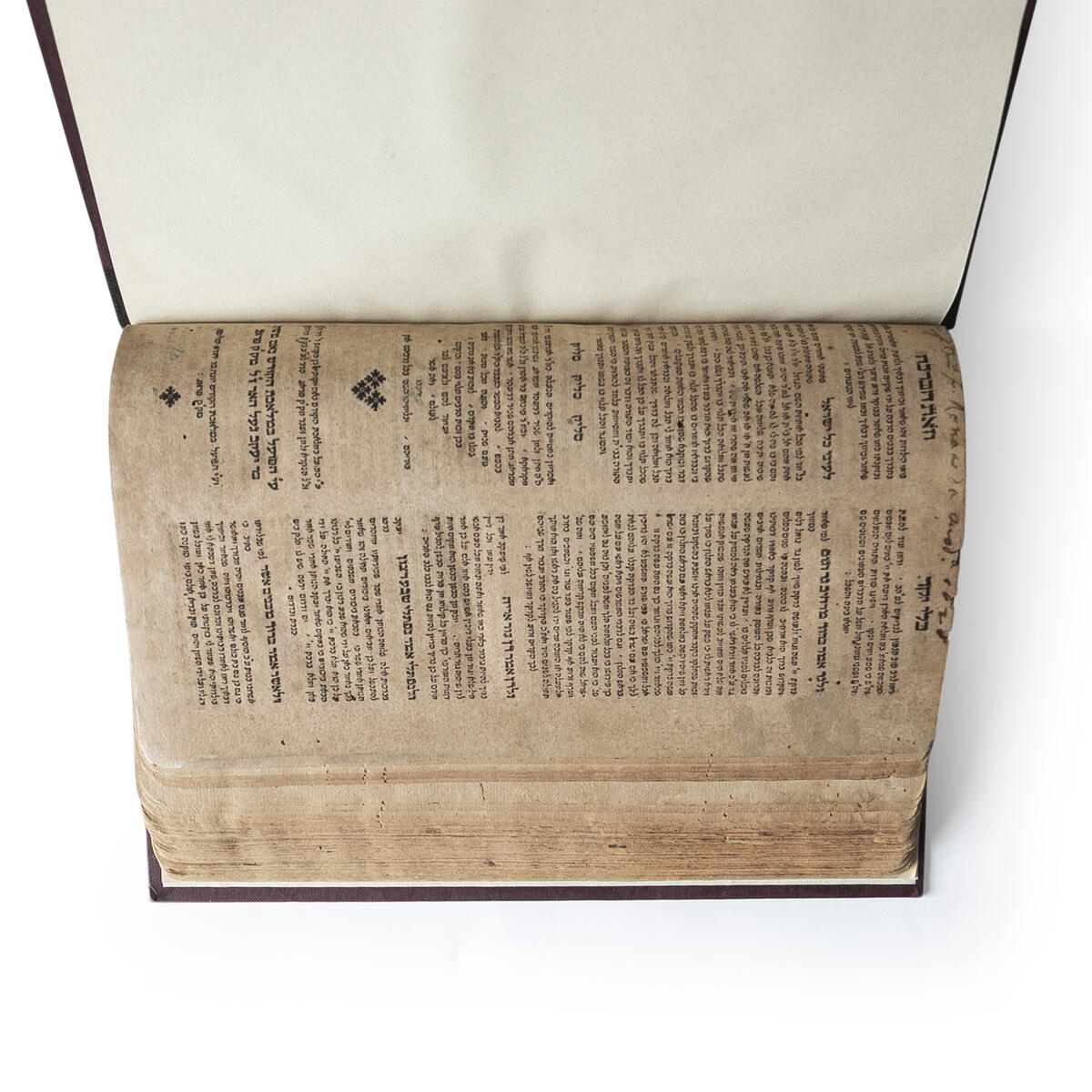
Copy: An ownership inscription appears to read ‘Abramo Montefiore’, possibly Francis Abraham Montefiore, the Zionist leader and great nephew of Sir Moses Montefiore. Very minor scattered worming. Later quarter leather binding.
Reference: Levin, Seeing with Both Eyes (Leiden 2008) 116-19, 210.
Provenance: The collection of Abraham Lieberman, Flatbush, Brooklyn NY
Opening Price: $1000
Share this lot: