Auction 1 - Rare Hebrew Books, Manuscripts & Rabbinic Letters
Lot 10:
Description
Ottoman Empire, Turkey or the Balkas, early 19th century
A most unusual and culturally revealing Sephardic manuscript.
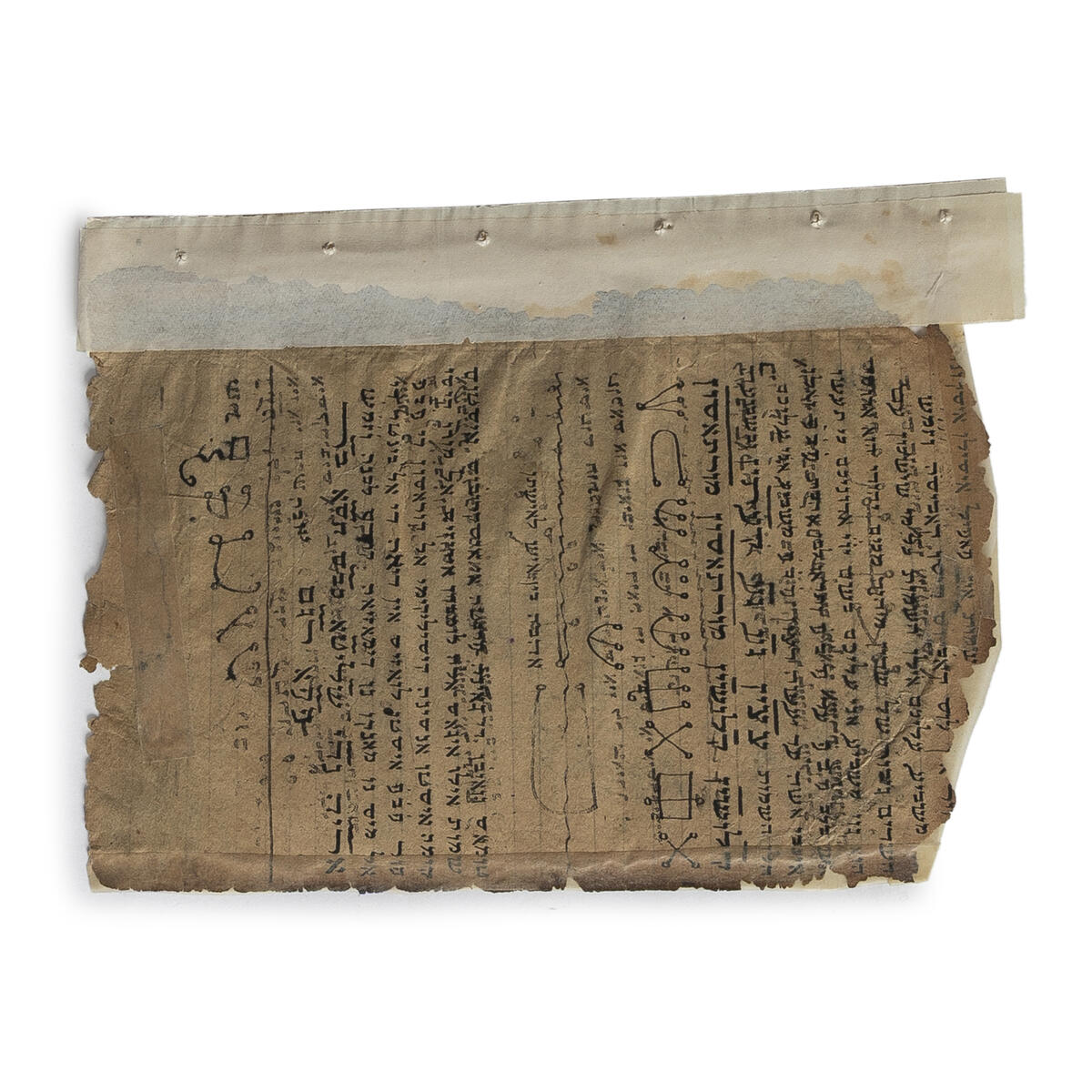
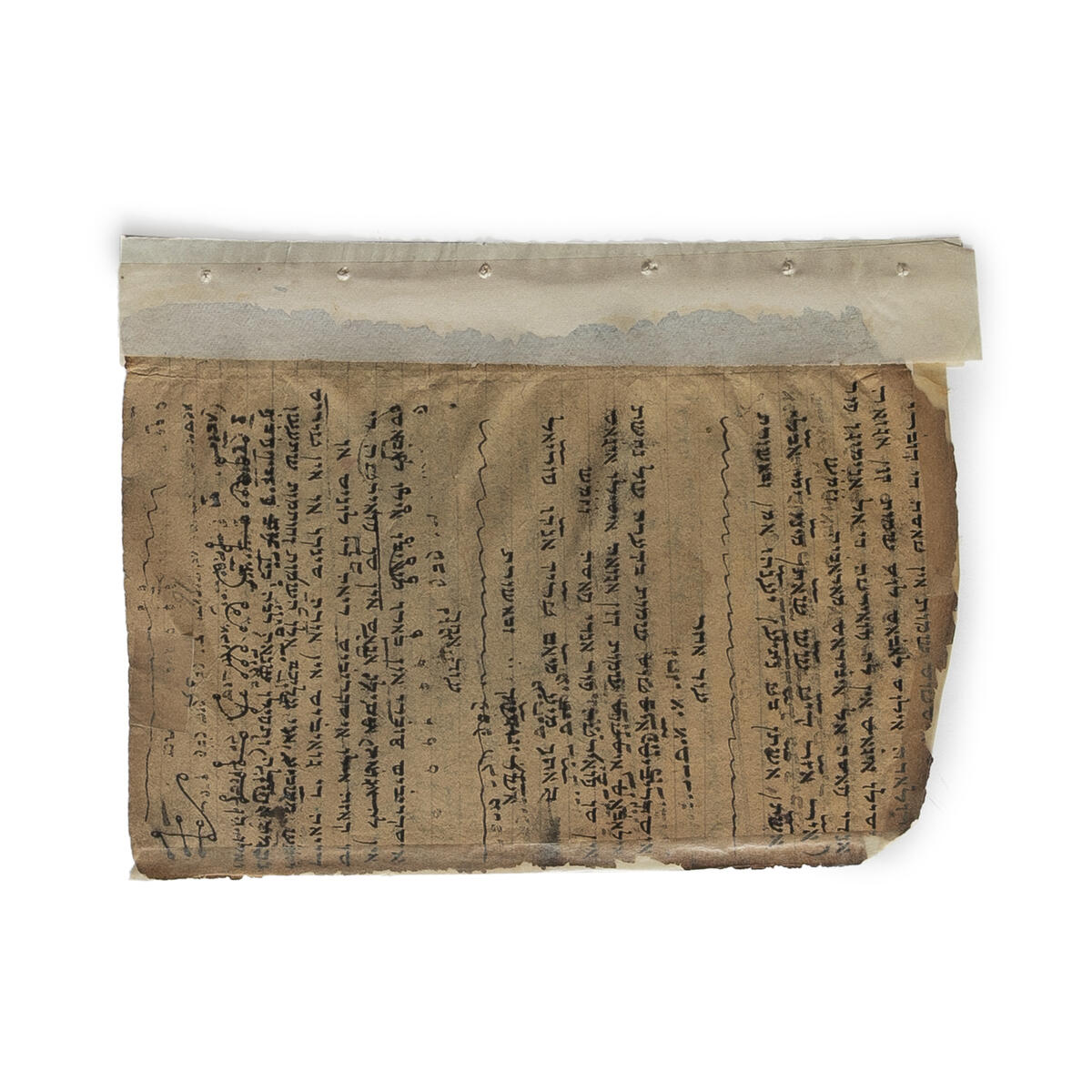
Far removed from the learned Hebrew of the rabbinic study hall, this manuscript preserves the practical knowledge of everyday Ottoman Sephardic Jewish life. Here, Hebrew serves as the sacred language of divine names, angelic adjurations, biblical verses and kabbalistic formulae, while the accompanying instructions are written in vernacular Ladino – the language spoken in Sephardic homes from Constantinople and Smyrna to Salonika and Sarajevo. The result is an exceptionally vivid record of how practical Kabbalah was actually transmitted and used within the Sephardic world.
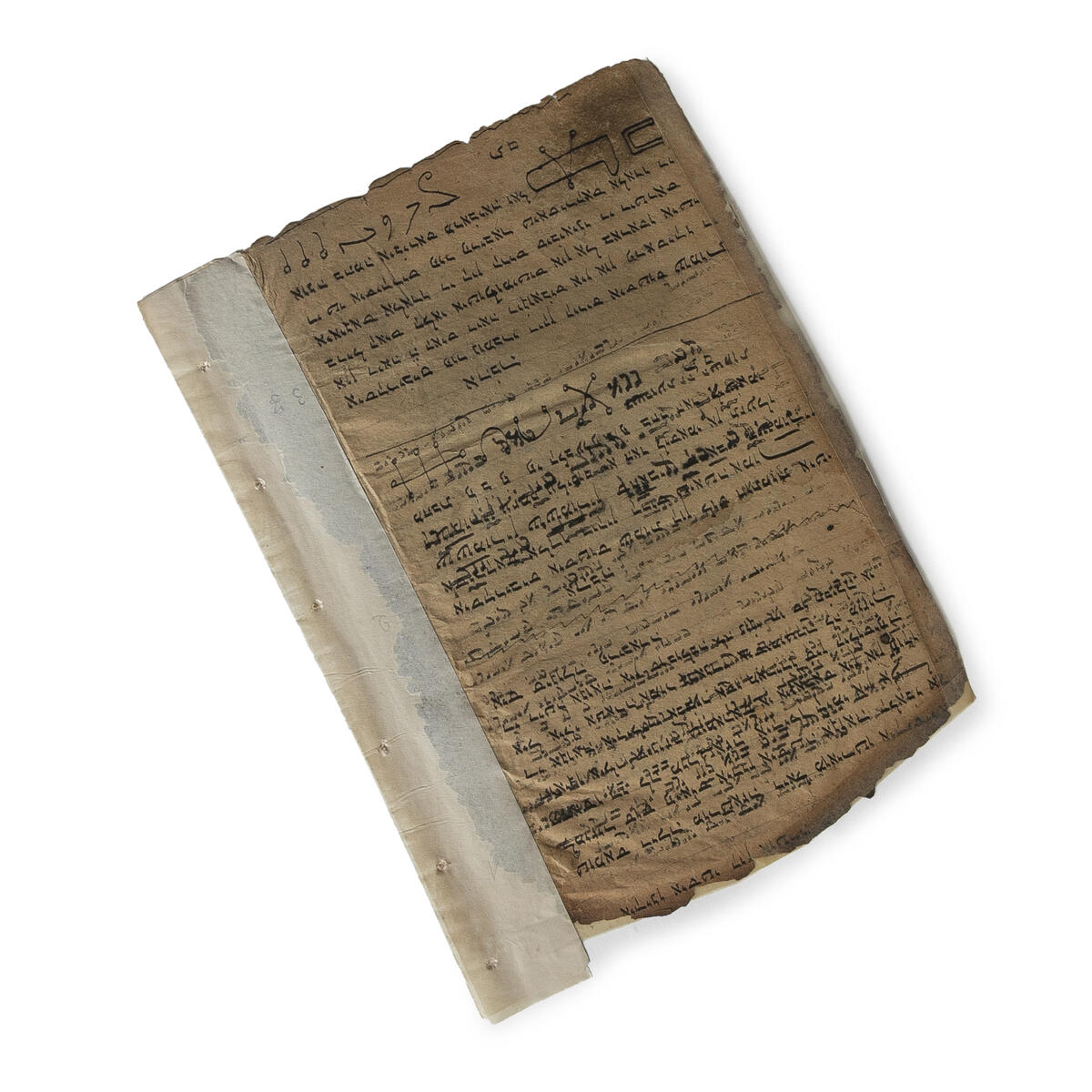
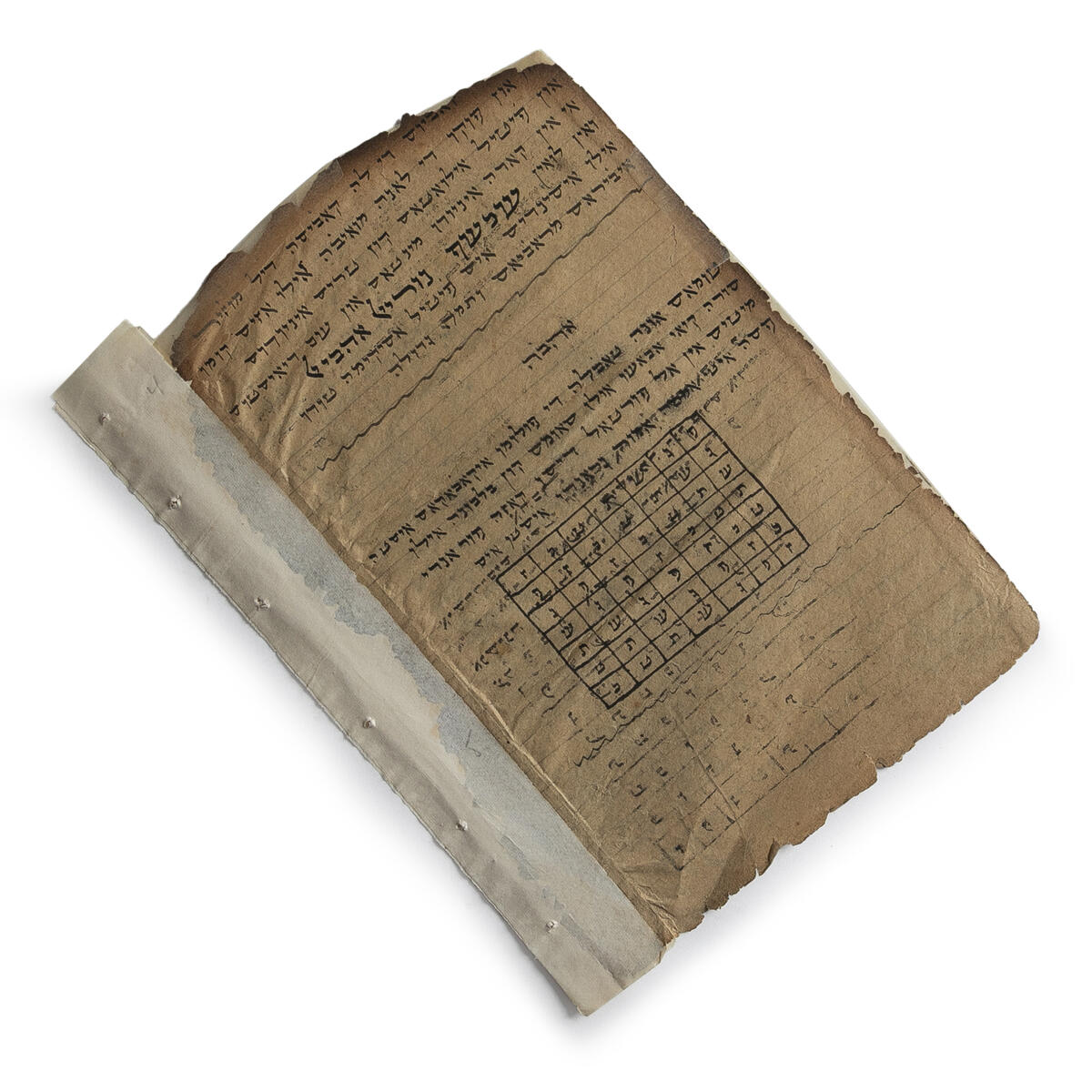
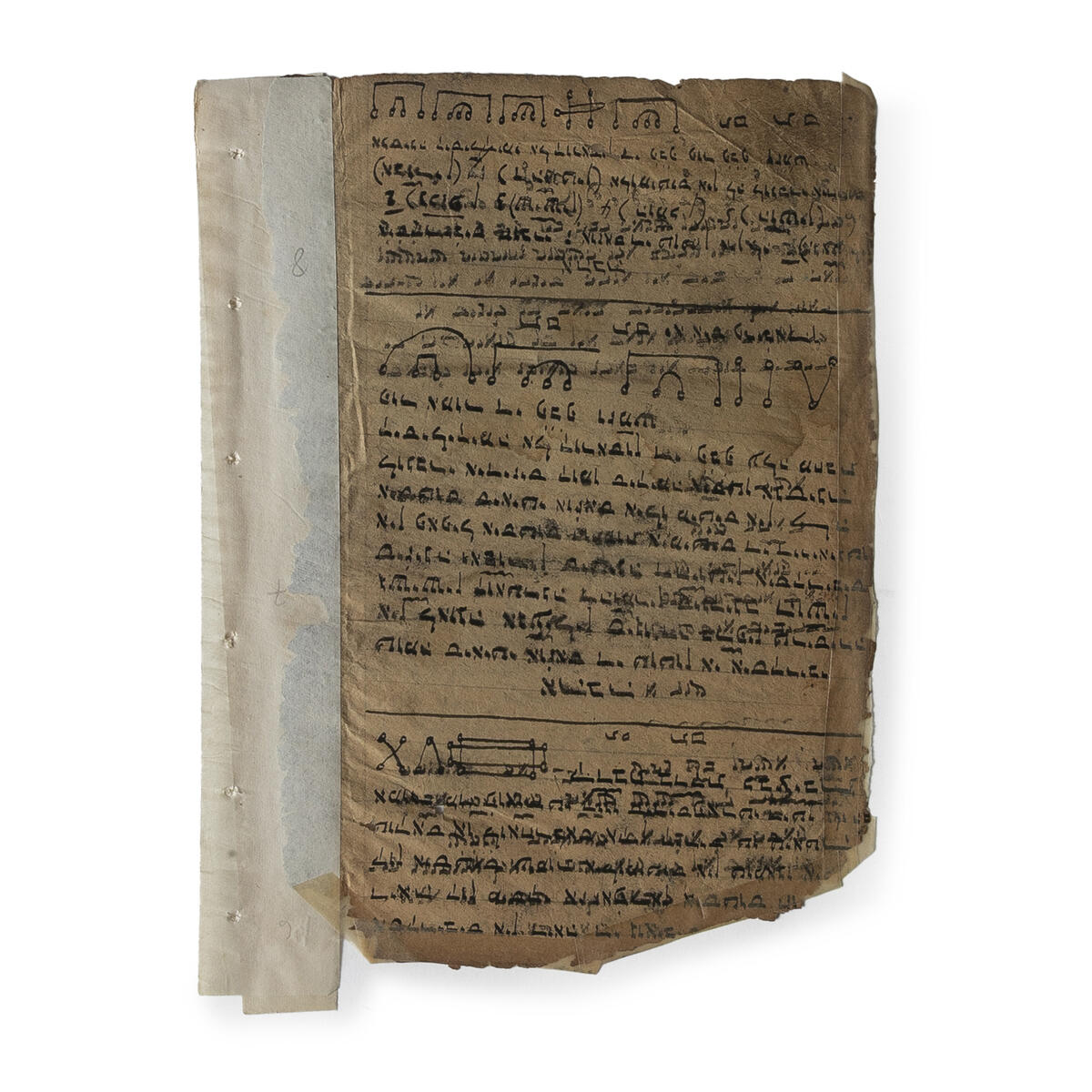
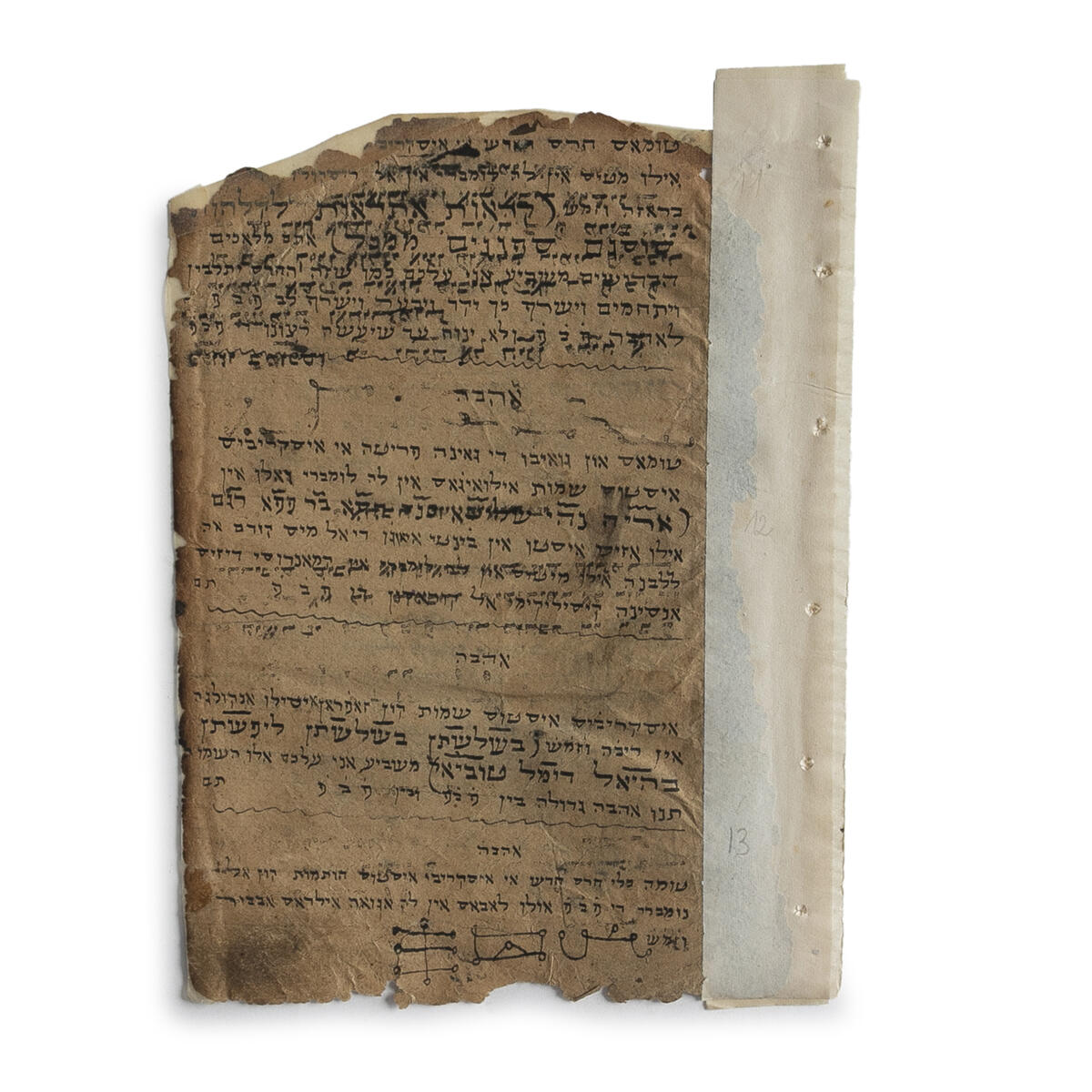
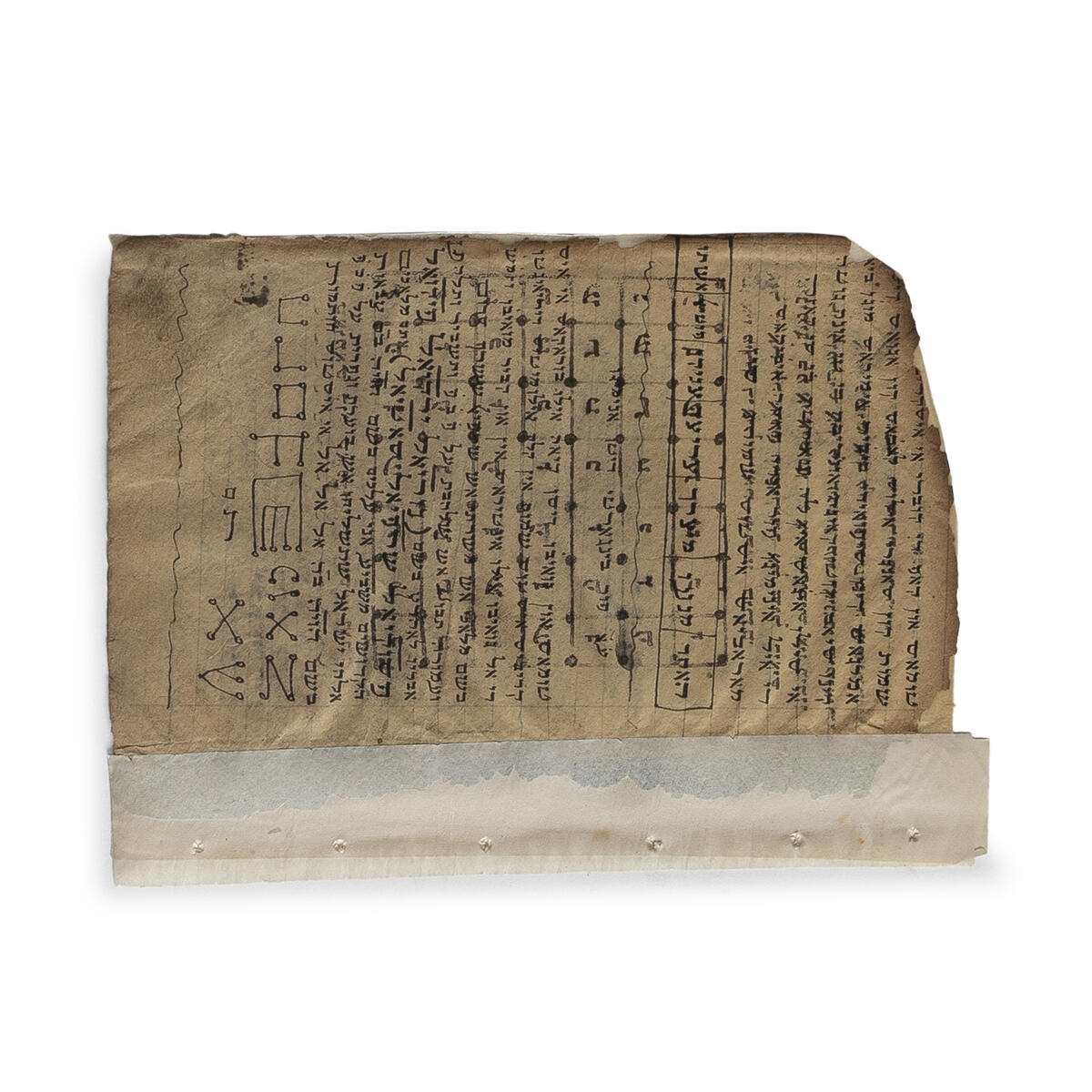
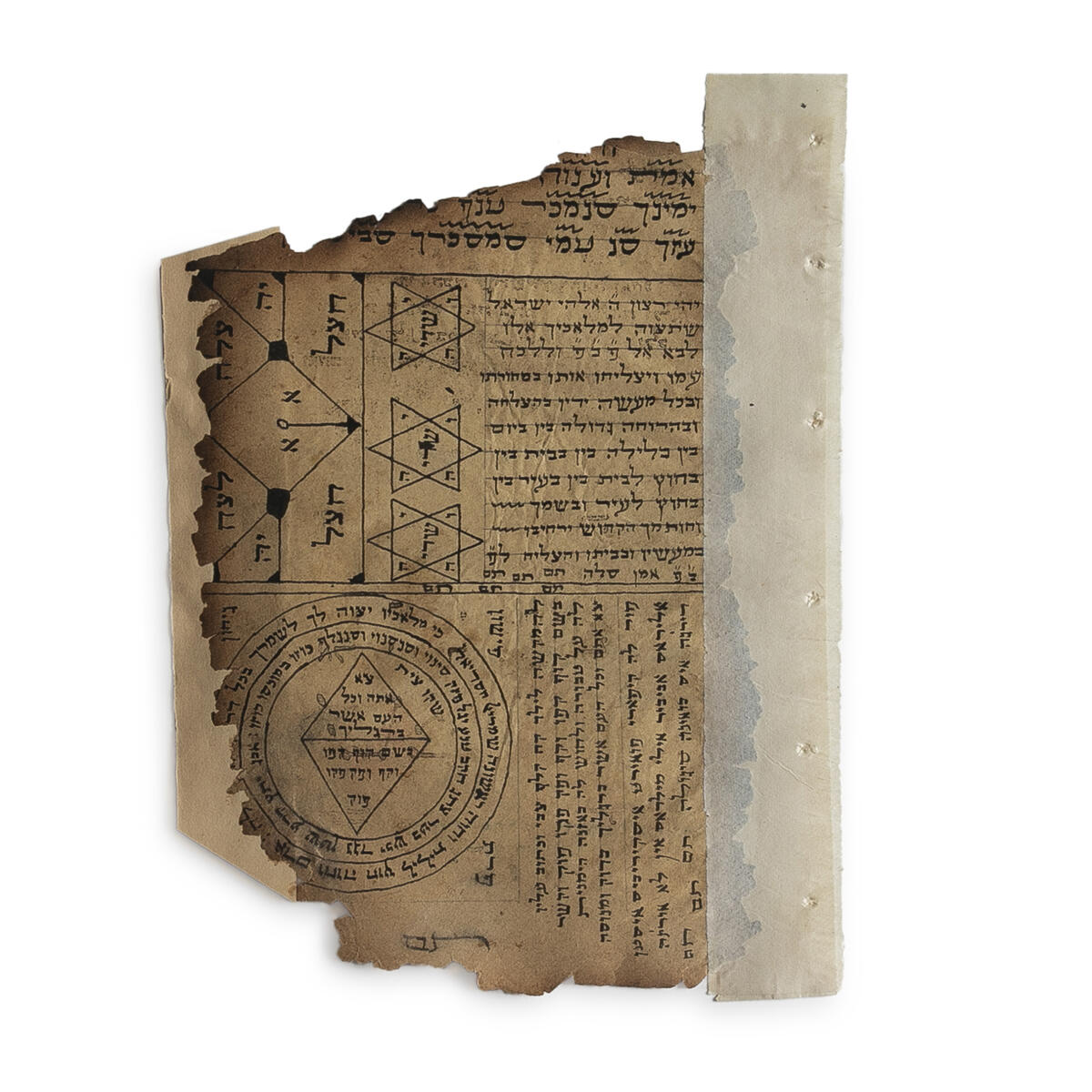
The surviving leaves comprise what appears to be a substantial working anthology rather than a single authored composition. Preserved are dozens of practical recipes and remedies, cosmetic preparations, medical prescriptions, segulot, amuletic instructions, astrological material, angelic invocations, protective formulae, divine-name arrangements and magical diagrams. Ladino recipes prescribe treatments for ailments ranging from scalp and hair conditions to other domestic remedies, while Hebrew sections instruct the preparation of amulets through complex arrangements of sacred names, sigils and geometric figures. Repeated concluding notations of תם indicate the close of individual copied excerpts, suggesting that the compiler assembled material from multiple earlier sources into a personal handbook of practical knowledge.
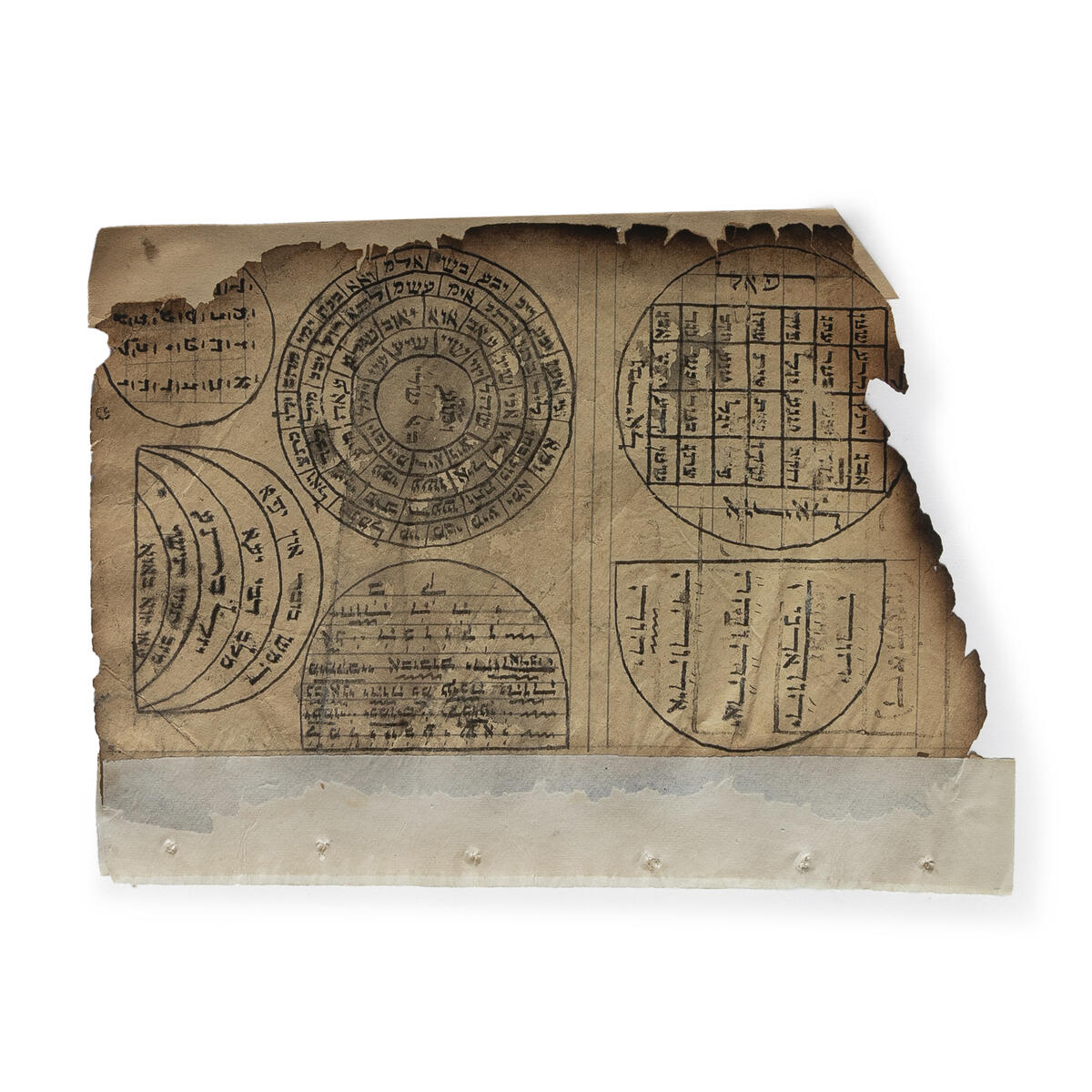
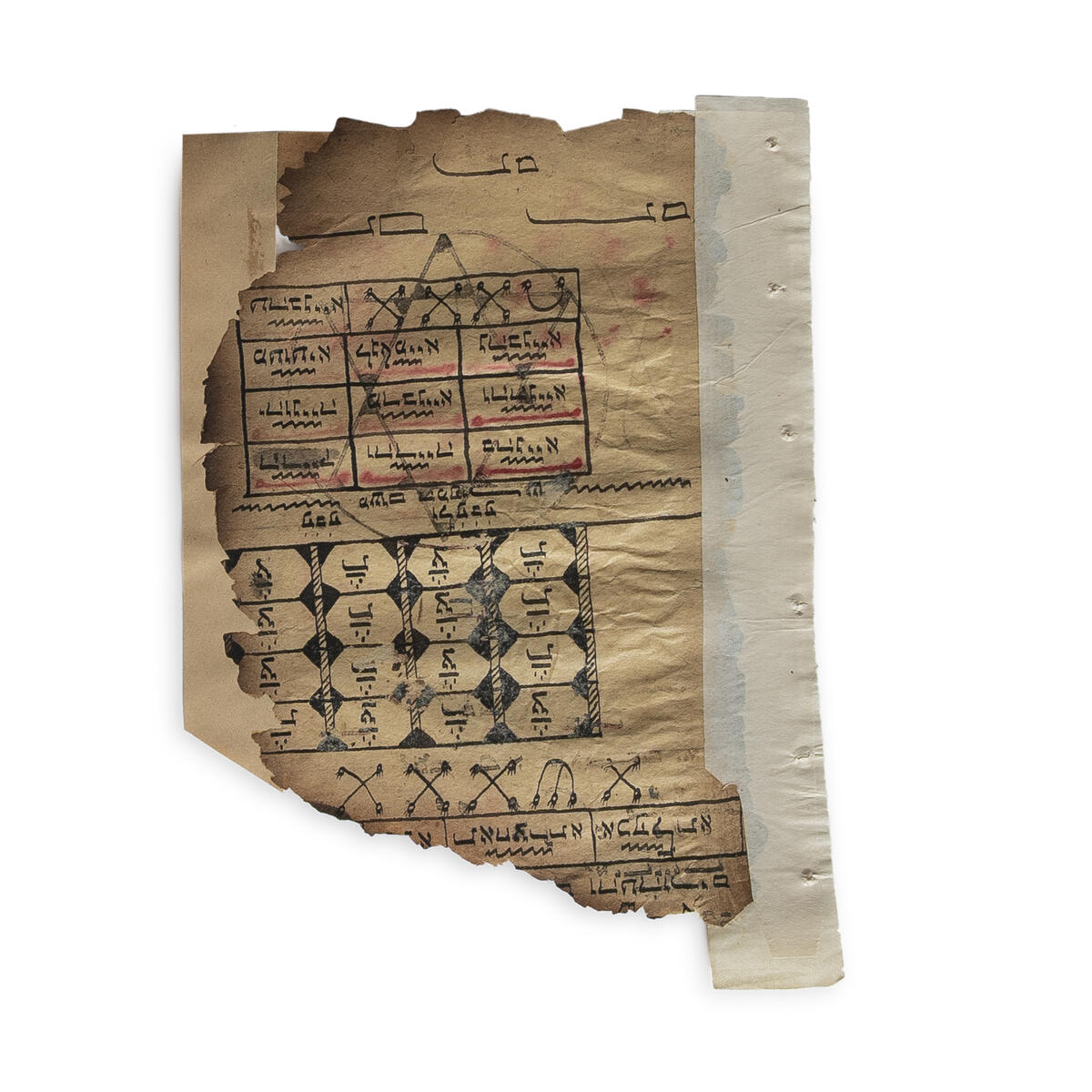
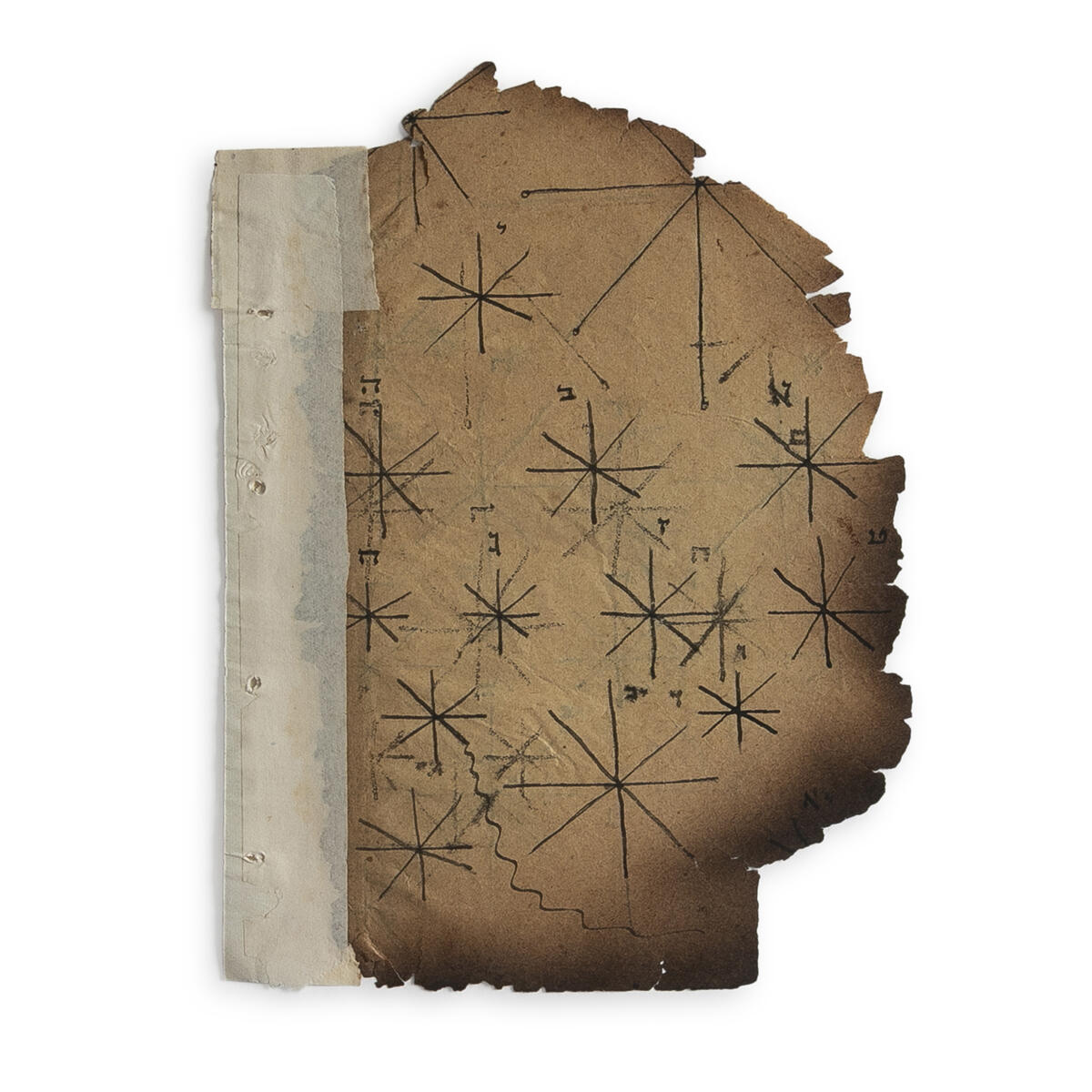
Especially striking are the numerous full-page diagrams: elaborate hexagrams containing divine names; concentric magical circles; planetary and zodiacal schemes; letter tables; radial star diagrams; amuletic grids; and pages devoted entirely to mysterious magical characters commonly identified in practical-Kabbalah manuscripts as “angelic” or celestial writing. Such visual material was intended not merely for contemplation, but for direct ritual use in the preparation of protective amulets and talismans.
Manuscripts of practical Kabbalah survive in relatively small numbers. Those preserving extensive Ladino instructions are considerably rarer still. While Hebrew practical-Kabbalah manuscripts are known from Ashkenazic and Middle Eastern traditions, vernacular Sephardic examples documenting the magical, medical and devotional practices of Ottoman Jewry are uncommon and are represented today principally in institutional collections. The present manuscript belongs squarely to that tradition, yet differs from the better-known examples by virtue of its remarkable breadth of subjects and its extensive vernacular content.
The manuscript’s dramatic condition only enhances its historical interest. At some point in its history the volume appears to have suffered significant fire or smoke damage, leaving the outer
margins darkened and partially consumed while mostly sparing the text itself. Subsequently disbound, the surviving leaves were individually mounted in archival sleeves, preserving a substantial portion of a work that might otherwise have been lost entirely. The juxtaposition of extensive survival with equally dramatic physical loss lends the manuscript an almost archaeological character, as though recovering the working library of an Ottoman Sephardic practitioner from the aftermath of catastrophe.
Its contents appear to preserve material copied from several earlier traditions, some readily identifiable within the literature of practical Kabbalah, others seemingly unattested in published form. Whether preserving otherwise unknown textual witnesses or an entirely unpublished Sephardic compilation, the manuscript offers an exceptionally rich source for the study of vernacular medicine, folk religion, practical Kabbalah, astrology and the intellectual life of the Ladino-speaking Jewish communities of the Ottoman Empire.
A manuscript of remarkable visual impact and considerable scholarly importance, documenting a largely vanished world in which sacred names, household remedies, astrology and practical mysticism existed side by side in the everyday language of the Sephardic diaspora.
Condition: Manuscript on paper. Seventy-one surviving leaves, now disbound and individually preserved in archival plastic loose-leaf sleeves within a modern binder. Written principally in a clear Sephardic square Hebrew hand, with extensive sections in Ladino (Judeo-Spanish) rendered in Hebrew characters rather than the more common Solitreo script. Numerous diagrams in black and red ink, including magical seals, divine-name tables, letter permutations, zodiacal and planetary diagrams, concentric circles, hexagrams, magical characters (“angelic script”), and amuletic devices. The leaves exhibit extensive fire damage, with darkened and charred margins, irregular losses, and heat discoloration throughout, yet remain remarkably legible.
Opening price: $1200
Share this lot: